
From Algae Streaks to Attic Rain: Your Guide to Beating Gulf Coast Roof Humidity
That heavy, humid air we know so well in the Gulf Coast doesn’t just make for sticky summer days—it’s waging a silent war on your roof. Here in New Orleans and Mandeville, we’re used to the air feeling like a warm blanket, but that constant moisture is your home’s number one enemy. It shows up in two distinct ways: the ugly black streaks you see staining your neighbors’ roofs and the hidden, destructive moisture problems that can rot your home from the inside out.
This guide will help you understand why Gulf Coast roof humidity is so damaging, how to spot the signs, and what a proper roofing system designed for our unique climate actually looks like. Beating our relentless humidity requires more than just new shingles; it requires a complete roofing system installed by local experts who understand the science of keeping your home dry and protected. As a locally owned company since 2012, Priority Roofing has seen firsthand what happens when roofs aren’t built for the Gulf South, and we’ve spent over a decade perfecting the solution.
Key Takeaways
- Black Streaks Are a Pest: Those dark stains on your roof are a living algae, Gloeocapsa magma, that feeds on your shingles, accelerates their aging, and traps moisture.
- Attic Rain is Real and Destructive: Condensation in your attic, often called “attic rain,” is a major problem in our climate. It can lead to wood rot, mold growth, and soaked, useless insulation.
- Ventilation is Your Best Defense: The single most important factor in fighting attic moisture is a properly designed roof ventilation system. Your roof needs to breathe to stay dry.
- Local Expertise is Non-Negotiable: A roofing system in New Orleans must be built differently than one in a dry climate. It requires specific materials and installation techniques that only experienced local roofers understand.
Decoding the Streaks: What Those Black Marks on Your Roof Really Mean
When you see those unsightly black streaks running down a roof, your first thought might be that it’s just dirt or grime. It’s a common mistake, but the truth is much more damaging.
It’s Not Dirt, It’s a Living Organism
Those streaks are actually a type of blue-green algae called Gloeocapsa magma. This algae thrives in hot, humid climates and has found a perfect food source in the limestone filler used in most older asphalt shingles. It travels through the air, lands on your roof, and starts to colonize, creating a dark, protective outer layer that shields it from the sun’s UV rays—hence the black streaks.
More Than Just an Eyesore: How Algae Damages Your Roof
While the cosmetic issue is bad enough, the real problem is the damage this algae does to your shingles.
- Moisture Retention: The algae acts like a sponge, holding moisture against the surface of your shingles long after the rain stops. This constant dampness accelerates the aging process.
- Granule Loss: As the algae feeds on the limestone, its root-like filaments dislodge the protective granules on your shingles. These granules are what shield the asphalt from the sun, and once they’re gone, the shingle will quickly become brittle and fail.
- Heat Absorption: The dark streaks absorb more of the sun’s heat, superheating your shingles and the attic space below. This can lead to higher energy bills and further shorten the lifespan of your roof.
These are critical signs you may need a new roof, not just a cleaning.
Why a “Quick Fix” Isn’t Enough
Some companies offer roof cleaning services that can temporarily remove the algae. While this improves curb appeal for a short time, it’s a band-aid on a bullet wound. The algae spores are still in the air and on surrounding surfaces, and they will inevitably return. The only permanent solution is to install modern architectural shingles manufactured with algae-resistant technology, such as copper granules, which prevent the organism from taking hold in the first place.
The Hidden Danger: “Attic Rain” and the Threat Within
While algae streaks are the visible symptom of our humid climate, a far more dangerous problem could be brewing inside your attic. We call it “attic rain,” and it has nothing to do with a roof leak.
What is Attic Rain? (And Why It’s a Gulf Coast Problem)
Attic rain is a severe form of condensation. It happens when warm, moist air from inside your home—generated by cooking, showering, and even breathing—rises into the attic. If the attic isn’t properly ventilated, this humid air gets trapped. When it comes into contact with the underside of your roof decking, which has been cooled by your air conditioner or a cooler night, the moisture condenses into water droplets. When enough condensation forms, it literally “rains” inside your attic.
The Domino Effect of Trapped Attic Moisture
A little condensation might not seem like a big deal, but over time, it creates a cascade of devastating problems that can compromise your home’s structural integrity and your family’s health.
- Wood Rot: Persistent moisture will rot the essential wooden components of your roof structure, including the roof decking, rafters, and support trusses. This damage is expensive to repair and weakens the entire system.
- Mold & Mildew: A damp, dark attic is the perfect breeding ground for mold and mildew. These fungi can cause serious respiratory issues and other health problems for your family, not to mention creating a musty odor that permeates your home.
- Soggy Insulation: When your attic insulation gets wet, it compresses and loses its thermal resistance (R-value). According to ENERGY STAR®, proper insulation is critical for home energy efficiency. Wet insulation becomes useless, forcing your HVAC system to work overtime and driving your energy bills through the roof.
- Premature Roof Failure: The combination of rotting wood and trapped moisture destroys your roofing system from the inside out. The underlayment fails, the decking softens, and the shingles are compromised, leading to a total system failure long before the end of its expected lifespan.
Your Battle Plan: A Roofing System Built for the Gulf South
Fighting back against Gulf Coast roof humidity requires a strategic, multi-layered approach. It’s not about one product; it’s about a complete system designed to work together to keep your home dry and cool.
Step 1: Master the Airflow with Proper Ventilation
The number one weapon against attic rain is proper ventilation. A roof must be able to breathe. The most effective method for our region is a balanced “soffit-to-ridge” system.
- Intake (Soffit Vents): Vents located under the eaves (soffits) allow cooler, drier air to be drawn into the attic.
- Exhaust (Ridge Vents): A vent running along the entire peak (ridge) of the roof allows the hot, moist air that has risen to the top of the attic to escape.
This creates a constant, passive airflow that pulls humidity out of the attic before it can condense. This is a calculated system based on the square footage of your attic—not just a matter of sticking a few vents on the roof. Getting the balance right is a science that separates professional roofers from the rest.
Step 2: Choose the Right Armor: Humidity-Resistant Materials
The materials you choose are your frontline defense. In the Gulf South, standard-issue is not good enough.
- Algae-Resistant Shingles: Modern architectural shingles, especially those infused with copper granules, are specifically designed to inhibit algae growth. This protects your investment and keeps your roof looking great for decades. There are many types of roofing materials, and choosing the right one is key.
- Synthetic Underlayment: Forget old-fashioned tar paper. A high-quality synthetic underlayment provides a superior moisture barrier. It’s far more durable, water-resistant, and won’t break down under the intense heat and humidity of a New Orleans attic.
Step 3: The Critical Difference: Expert, Local Installation
The best materials in the world will fail if they aren’t installed by a crew that understands our local challenges. The details make all the difference. Proper installation of roof flashing around chimneys and vents, meticulous sealing of all penetrations, and a nailing pattern designed to withstand hurricane-force winds are all non-negotiable. This is where an experienced, local roofing contractor proves their worth.
Why Your Roofer’s ZIP Code Matters: Trust Priority Roofing’s Local Expertise
When you’re facing problems caused by Gulf Coast roof humidity, you can’t afford to hire an out-of-town storm chaser or a general handyman. You need a specialist.
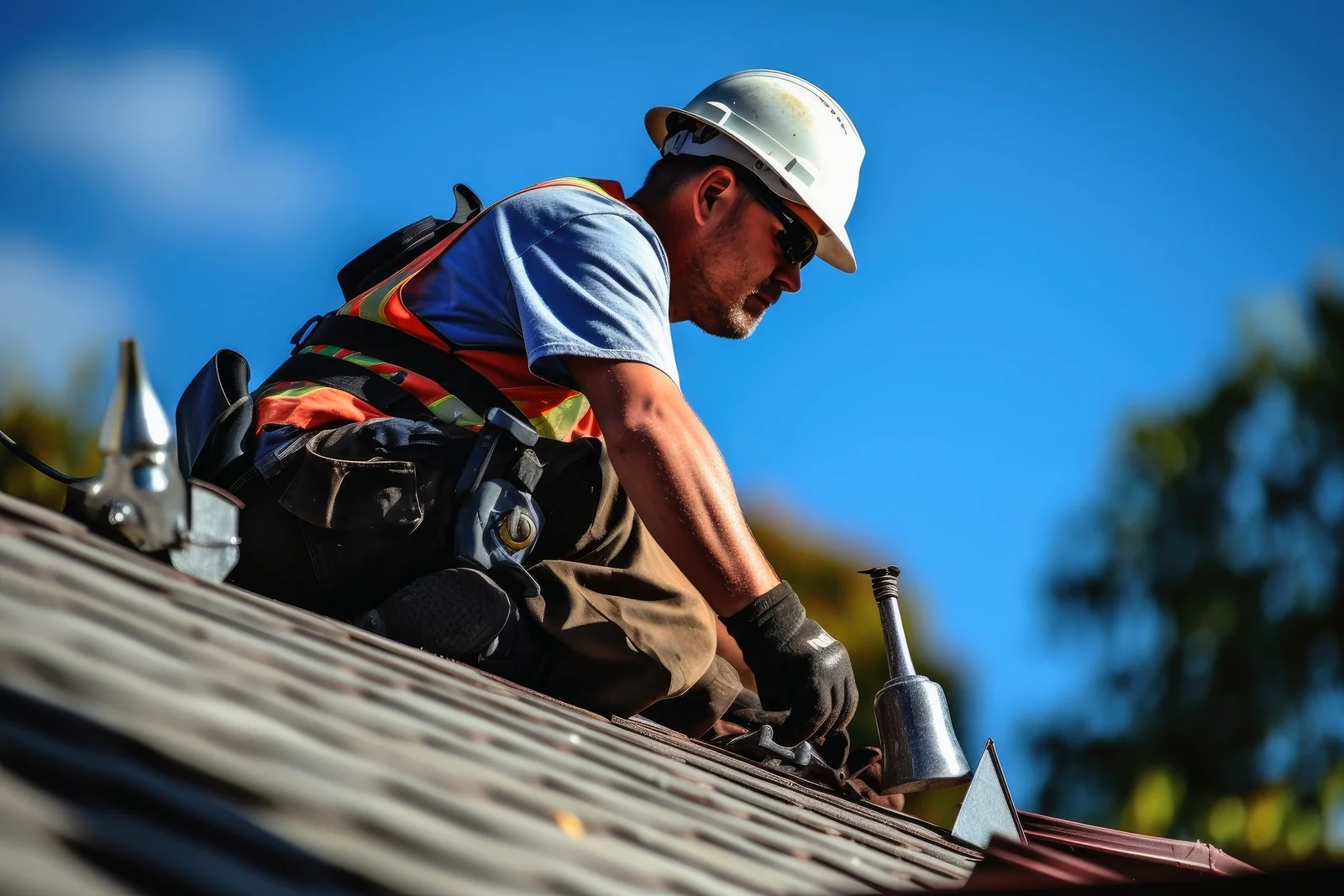
We Know New Orleans Humidity Because We Live In It
As a locally owned and operated company since 2012, Priority Roofing isn’t just working in the Gulf South—we live here. Founder Sean Killeen and our entire team of New Orleans roofers understand firsthand how relentless this humidity can be. We’ve seen what it does to homes, and we’ve built our business on providing real, lasting solutions.
A Decade of Proven Success Against the Elements
With thousands of projects completed in New Orleans and Mandeville, we’ve developed and perfected roofing systems specifically to combat algae, prevent attic rain, and withstand hurricane-force winds. Our track record as a top roofing contractor in Mandeville and across the region speaks for itself.
More Than Shingles—A Holistic Approach
Our team is backed by over 50 years of combined construction experience. This means we don’t just see a roof; we see a whole-home system. We understand the building science behind proper ventilation and how your roof, attic, and living space interact. This holistic knowledge allows us to accurately diagnose complex humidity problems and design a system that protects your entire structure, not just the part you can see from the street.
Protect Your Investment: Schedule Your Free Roof Humidity Assessment
An improperly installed roof in our climate isn’t a risk; it’s a guarantee of future problems. Protecting your home, your biggest investment, starts with understanding and addressing the specific threats of Gulf Coast humidity.
Don’t wait for algae streaks to turn into the structural damage of attic rain. Our expert team will provide a comprehensive, no-obligation roof inspection. We’ll perform a full “Roof Humidity Assessment” to analyze your current ventilation, check for hidden signs of moisture damage, and give you a clear, honest plan to protect your home for decades to come.
Call Priority Roofing today at [Phone Number] or fill out our online form to schedule your free assessment.
Trust the Gulf South’s trusted source for durable, high-quality roofing solutions.