
The Roofer’s Guide to New Orleans Architecture: Matching Your Roof to Your Shotgun, Creole Cottage, or Camelback Home
In New Orleans, we don’t just live in houses; we inhabit pieces of history. There’s a unique pride that comes with owning a home here, whether it’s a colorful Shotgun in the Bywater, a stately Creole Cottage in the Marigny, or a quirky Camelback Uptown. A roof in New Orleans isn’t just for shelter against the afternoon downpour; it’s the crown of your home, a critical architectural element that defines the character of our iconic neighborhoods.
But when it comes time to replace that crown, the process can feel daunting. Homeowners rightfully worry about maintaining historical integrity, choosing the right materials, and—most importantly—ensuring the new roof can handle the harsh, unforgiving Gulf South climate. It’s a lot to consider.
This guide is here to demystify the process. As local New Orleans roofers who have been protecting homes here since 2012, we understand the delicate balance between preservation and protection. We’ll walk you through the most common New Orleans home styles, their specific roofing needs, and the best modern materials to protect your investment while preserving its timeless charm.
Key Takeaways
- Climate is King: New Orleans roofs face a unique triple threat of hurricane-force winds, relentless humidity, and torrential rain, demanding materials and installation techniques specifically designed for the Gulf South.
- Style Dictates Material: The architectural style of your home—be it a Shotgun, Creole Cottage, or Camelback—heavily influences the best roofing choices for both aesthetic integrity and functional performance.
- Modern Materials, Classic Look: Advanced options like standing seam metal and architectural shingles can provide superior, long-lasting protection while complementing or even mimicking the historic look of older homes.
- Local Expertise is Non-Negotiable: The complex rooflines and extreme weather of New Orleans demand a roofing contractor with deep, proven local experience, not an out-of-town storm chaser.
Why Roofing in New Orleans is a Different Beast
Let’s be honest: a roof that works in Ohio won’t cut it here. Our environment is in a league of its own, and your roof is on the front lines every single day. Understanding these challenges is the first step in choosing a roof that lasts.
- Hurricane-Force Winds: This is the big one. From late spring through fall, the threat of tropical weather is real. A roof must be designed and installed with superior wind resistance to prevent catastrophic failure. This involves not just the material itself, but also the right fastening patterns and techniques to combat wind uplift, one of the most common signs of wind damage on roofs.
- Relentless Humidity & Subtropical Sun: The air here is thick enough to swim through, creating a perfect breeding ground for algae, mildew, and moisture intrusion. The intense UV rays of the sun can also bake and degrade lesser materials over time, causing them to become brittle. Proper roof ventilation is crucial to fight back against the heat and humidity.
- Torrential Rain: We don’t do “drizzle.” When it rains, it pours. Your roof needs to be a perfectly sealed, high-performance water-shedding system. The smallest flaw in flashing or a single improperly sealed nail can become a major entry point for water, leading to a difficult-to-find roof leak.
Choosing a roofer with deep, local experience in combating these specific issues is non-negotiable. This is where a company born and bred in the Gulf South—one that understands the soul of the city and the science of its weather—makes all the difference.
Matching Your Roof to Your Home’s Historic Style
Now, let’s dive into the architectural styles that make our city so famous. For each style, we’ll cover its key features, common roofing challenges, and our expert recommendations for top roofing materials for New Orleans homes.
The Classic New Orleans Shotgun House
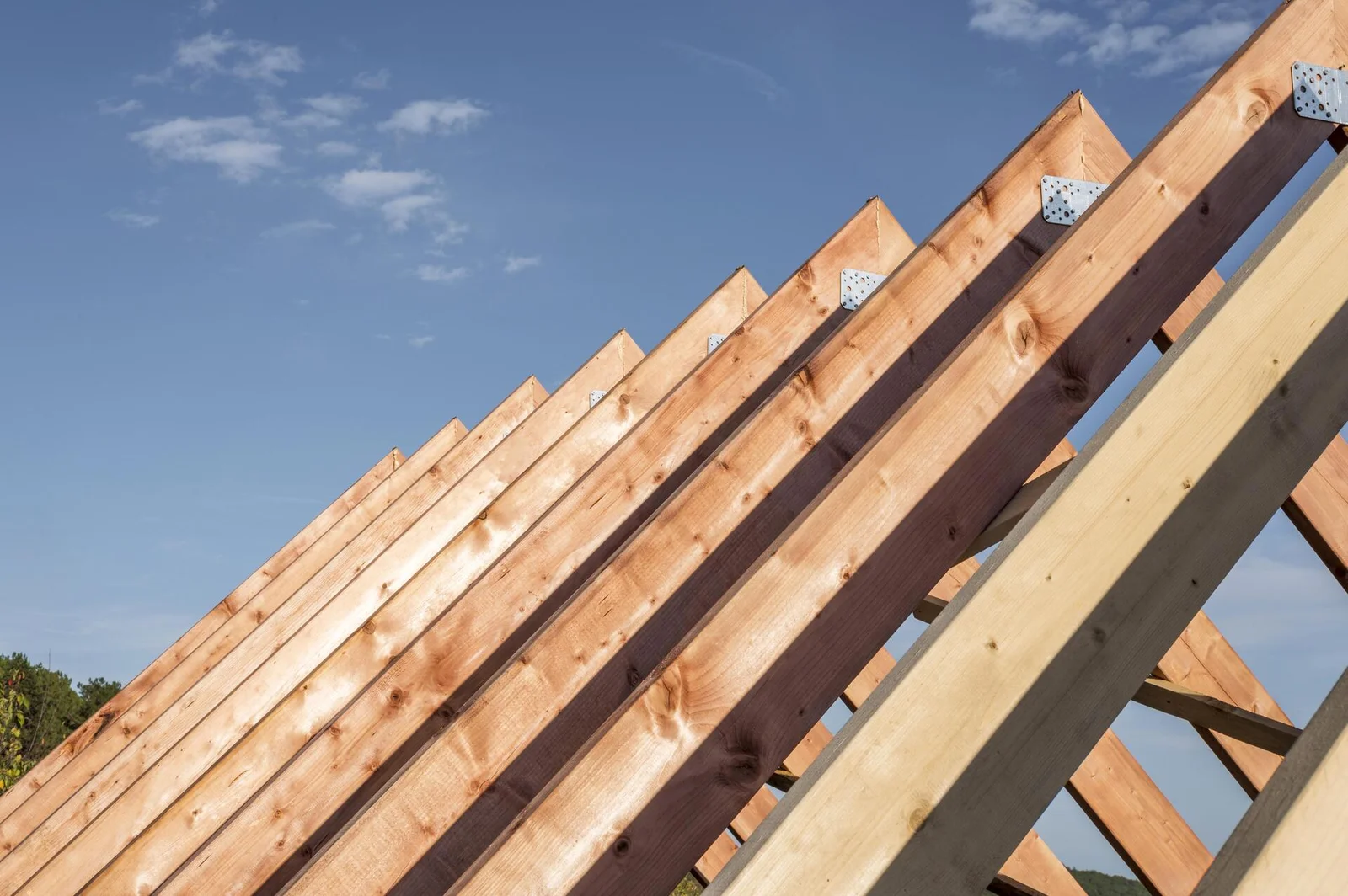
Architectural Characteristics: Instantly recognizable by its long, narrow footprint, the Shotgun is typically a single-story home with rooms arranged one behind the other. The roof is most often a simple gabled design that runs the entire length of the house, creating a clean, straight line from the street to the backyard.
Roofing Challenges: That long, continuous roof plane acts like a giant sail in high winds, making it particularly vulnerable to wind uplift. With such a large, unbroken surface, proper installation is paramount. Furthermore, ensuring that flashing around vents and chimneys is perfectly executed is critical to prevent leaks on that long slope.
Recommended Roofing Materials:
| Material | Why It Works for a Shotgun |
|---|---|
| Standing Seam Metal | Excellent durability, longevity, and perhaps the best wind resistance available. The clean, vertical lines of the metal panels beautifully complement the long, linear form of a shotgun house. Plus, it comes in a variety of colors to match any style. |
| Architectural Shingles | A cost-effective and highly attractive option. Unlike old-school 3-tab shingles, high-quality dimensional shingles offer a textured look that adds depth and character. They are manufactured with high wind ratings and, when installed correctly, provide fantastic modern protection. Learn more about the pros and cons of asphalt shingles. |
The Charming Creole Cottage
Architectural Characteristics: These gems are known for their symmetrical facades, steeply pitched hip or side-gabled roofs, and a front porch (or “gallery”) often tucked neatly under the main roofline. They are the quintessential image of old New Orleans charm.
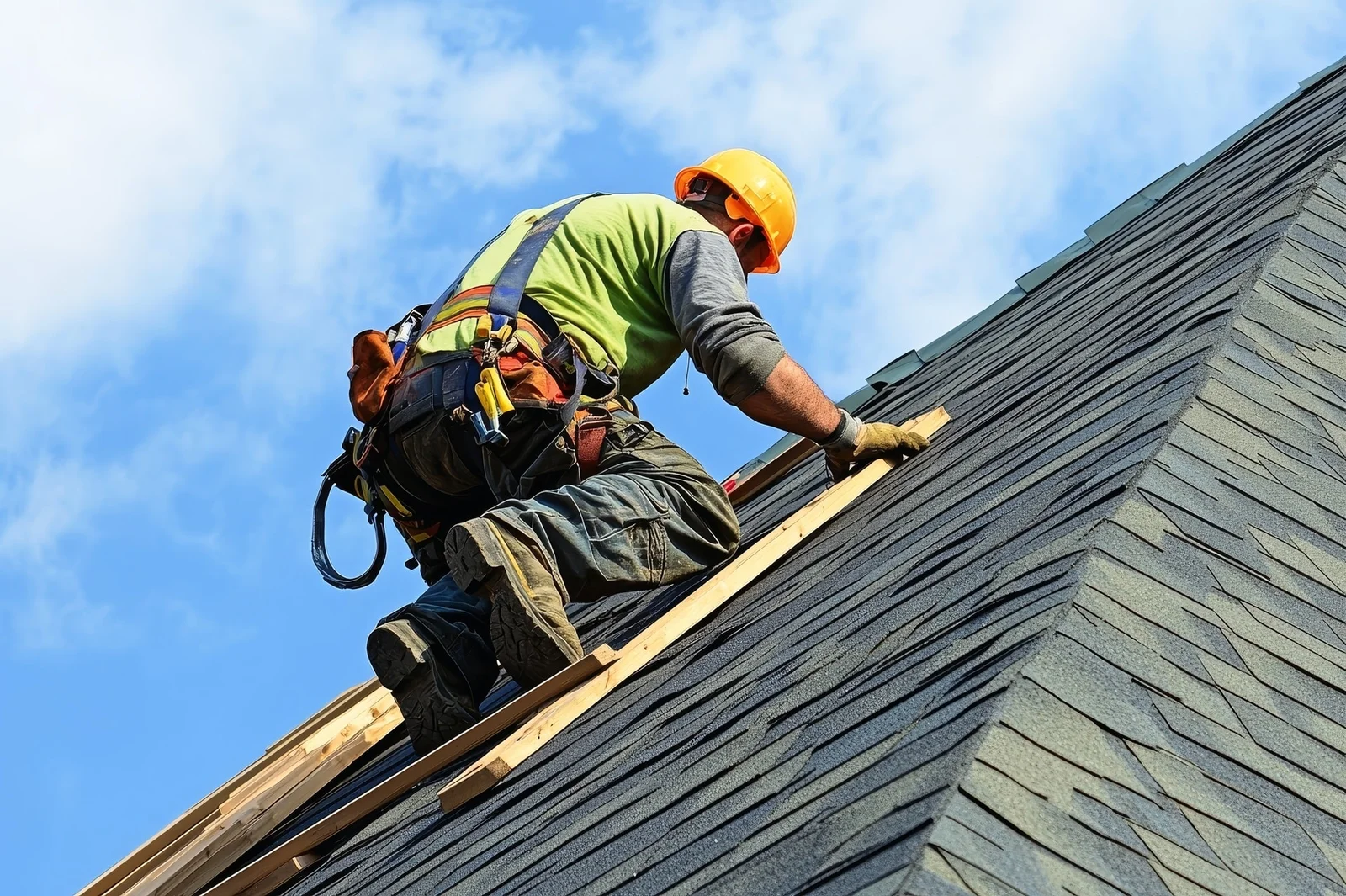
Roofing Challenges: That steep pitch isn’t just for looks; it was designed to shed heavy rainwater quickly. However, it requires highly skilled and safety-conscious installers. A “hip” roof, with its four sloping sides, has multiple planes and ridges. Every single one of these intersections must be perfectly sealed to prevent water intrusion, especially during wind-driven hurricane rain.
Recommended Roofing Materials:
| Material | Why It Works for a Creole Cottage |
|---|---|
| Standing Seam Metal | Once again, metal is a fantastic choice. Its superior weather resistance is ideal for the steep pitch, and its clean, elegant aesthetic works beautifully with the simple, strong lines of a Creole Cottage. It provides a timeless look with modern, low-maintenance performance. |
| Slate or Composite Slate | For homeowners seeking the ultimate in historical accuracy and longevity, nothing beats slate. It can last for a century or more. However, it’s heavy and expensive. Modern composite slate offers the classic, distinguished look of real slate with less weight, less cost, and less maintenance, making it a brilliant alternative for a historic roof restoration. |
The Unique Camelback Home
Architectural Characteristics: A clever historical solution to building codes that taxed homes based on height from the street, the Camelback is a variation of the shotgun that features a second story added to the rear portion of the house—the “hump.” This creates a complex, multi-level roofline.
Roofing Challenges: The single most critical point on a Camelback roof is the transition where the one-story front meets the two-story back. This area is a notorious spot for potential leaks if not handled by an expert. The complex geometry, multiple angles, and intersecting roof planes require masterful roof flashing and waterproofing techniques. This is not a job for an amateur.
Recommended Roofing Materials:
| Material | Why It Works for a Camelback |
|---|---|
| Architectural Shingles | The flexibility of high-quality architectural shingles makes them an ideal choice for navigating the complex angles and junctions of a Camelback roof. They can be cut and fitted to create a seamless, continuous, and watertight seal across the entire complex structure. |
| Combination Roofing | It’s not uncommon to see a hybrid approach on Camelbacks. For example, using a durable standing seam metal roof on a lower-slope porch or front section, and then transitioning to architectural shingles on the main, steeper sections of the home. This combines performance where it’s needed most with aesthetic flexibility. |
Beyond the Big Three: Other Notable NOLA Styles
While Shotguns, Cottages, and Camelbacks are the stars of the show, our city’s architectural portfolio is deep. The same principles of matching material to style and prioritizing durability apply to all of them.
- Center Hall Cottages: Often grander and wider, these homes typically feature large hip roofs that demand the same meticulous sealing and attention to detail as their Creole Cottage cousins.
- Raised Basement Homes: Common in areas prone to flooding, the elevated nature of these homes means their roofs are even more exposed to wind. Choosing materials with high wind ratings is essential.
- Mandeville & Northshore Styles: Across the lake, you’ll find a wonderful mix of classic New Orleans architecture alongside more contemporary homes. Whether you need a roofing contractor in Mandeville or are looking for top-tier Covington roofers, the core principles of durability, quality materials, and expert installation remain the same.
The Priority Roofing Difference: Where Local Expertise Meets Unmatched Quality
Choosing the right material is half the battle. The other half—the most important half—is choosing the right team to install it. A beautiful new roof is worthless if it fails during the first hurricane season. This is where you have to ask the most important question: “Who can I trust to do this right?”
We Are New Orleans Roofers, Through and Through
Priority Roofing is locally owned and operated by our founder, Sean Killeen. We’re not a storm-chasing company that rolls into town after a hurricane and disappears a few months later. We live here. We’re raising our families here. We understand the architecture, the climate, and the local building codes because this is our home. Our reputation in the community is everything, and you can learn more about us and our commitment to the Gulf South.
A Decade of Proven Success in the Gulf South
Since 2012, our team has completed thousands of residential and commercial roofing projects across the region. With over 50 years of combined construction experience, we bring a legacy of proven results to every job site. You’re not hiring a crew; you’re hiring a time-tested process for delivering durable, high-quality solutions. We’ve seen every roofing challenge this region can throw at us, and we have the portfolio of work to prove it.
Built to Withstand the Worst
We specialize exclusively in roofing. Our team possesses an unmatched, hands-on knowledge of what it takes to build a roof that can stand up to hurricane-force winds and relentless humidity. We use only materials and installation techniques—like those required for a FORTIFIED Roof—that are proven to perform in the Gulf South’s toughest weather. Your peace of mind is our top priority.
Protect Your Home’s History and Future
Your New Orleans home is a treasure. Its roof should be a fortress that honors its past and protects its future. From choosing the perfect shingle color for your Creole Cottage to engineering the complex flashing on your Camelback, every single detail matters.
Don’t leave the most important part of your home to chance. If you’re ready to invest in a roof that’s as strong and beautiful as your home itself, contact the local experts at Priority Roofing.
[Button: Schedule Your Free, No-Obligation Roof Assessment Today]