
The Gulf South Roofing Materials Test: Which Shingles and Underlayment Actually Survive Our Humidity and Hurricanes?
There’s a shared anxiety every Gulf South homeowner knows intimately. It’s the feeling of watching a storm system swirl to life in the Gulf of Mexico and asking yourself, “Will my roof hold up this time?” This fear isn’t just about the storm; it’s tied directly to the financial pain of skyrocketing insurance premiums and the gut-wrenching possibility of a catastrophic, out-of-pocket roof replacement.
The truth is, the Gulf South isn’t like the rest of the country. Our unique combination of relentless, year-round humidity and the sheer brute force of hurricane season creates a “roofing gauntlet.” A standard, off-the-shelf roofing system designed for a milder climate simply won’t last here. It’s not a matter of if it will fail, but when.
As Priority Roofing, a locally owned company founded by Sean Killeen, we’ve spent more than a decade exclusively serving homeowners and businesses in Louisiana and Mississippi. This isn’t theory for us; it’s the reality we’ve seen on the ground across more than 500 completed projects from New Orleans to Biloxi. We’ve replaced the roofs that failed and installed the ones that survived. We’ve seen firsthand which materials crumble under pressure and which ones stand strong, protecting the families and investments beneath them.
In this guide, we’re pulling back the curtain on our real-world “test.” We’ll break down the winners and losers in Gulf South roofing materials, so you can make a smart, financially sound decision that protects your property, increases its value, and can even lower your insurance costs.
Key Takeaways
- Winning Shingles: Architectural (Dimensional) Shingles are the minimum standard for the Gulf South, offering vastly superior wind resistance compared to basic 3-tab shingles.
- Winning Underlayment: Self-adhered, synthetic underlayment is non-negotiable. It creates a critical waterproof secondary barrier that protects your home’s interior even if some shingles are lost in a storm.
- The Ultimate System: A FORTIFIED Roof system is the gold standard for resilience. It combines specific, high-performance materials with enhanced installation techniques to drastically reduce storm damage and often qualifies homeowners for significant insurance discounts.
- The Enemy: The combination of constant humidity (which promotes rot, algae, and decay) and hurricane-force winds (which cause shingle uplift and force water intrusion) is the one-two punch that destroys inferior roofing systems.
- The Local Advantage: Choosing a local, experienced roofer like Priority Roofing ensures you get materials and installation methods proven to work specifically in our climate, not a one-size-fits-all solution from an out-of-town storm chaser.
TL;DR
For a roof to survive the punishing conditions of the Gulf South, you need more than just shingles—you need a complete system. The best combination is high-wind-rated architectural shingles installed over a sealed, synthetic underlayment, all following the stringent guidelines of a FORTIFIED Roof. This system provides maximum protection against hurricanes and humidity, increases your home’s value, and can significantly lower your homeowner’s insurance premiums. Priority Roofing specializes in designing and installing these proven systems.
Understanding the Enemy: The Two-Pronged Attack on Your Gulf South Roof
To understand why specific materials are so crucial, you first have to understand the unique challenges your roof faces every single day in our region. It’s a constant battle fought on two fronts.
The Humidity Factor: The Silent, Slow Killer
Long before a hurricane forms, a quieter enemy is at work: humidity. Our air is thick with moisture year-round, and this has a profound effect on your roof.
- Moisture Saturation: Constant high humidity allows moisture to seep into and saturate the wooden roof decking. This weakens the wood over time, making it less able to hold nails securely during a high-wind event.
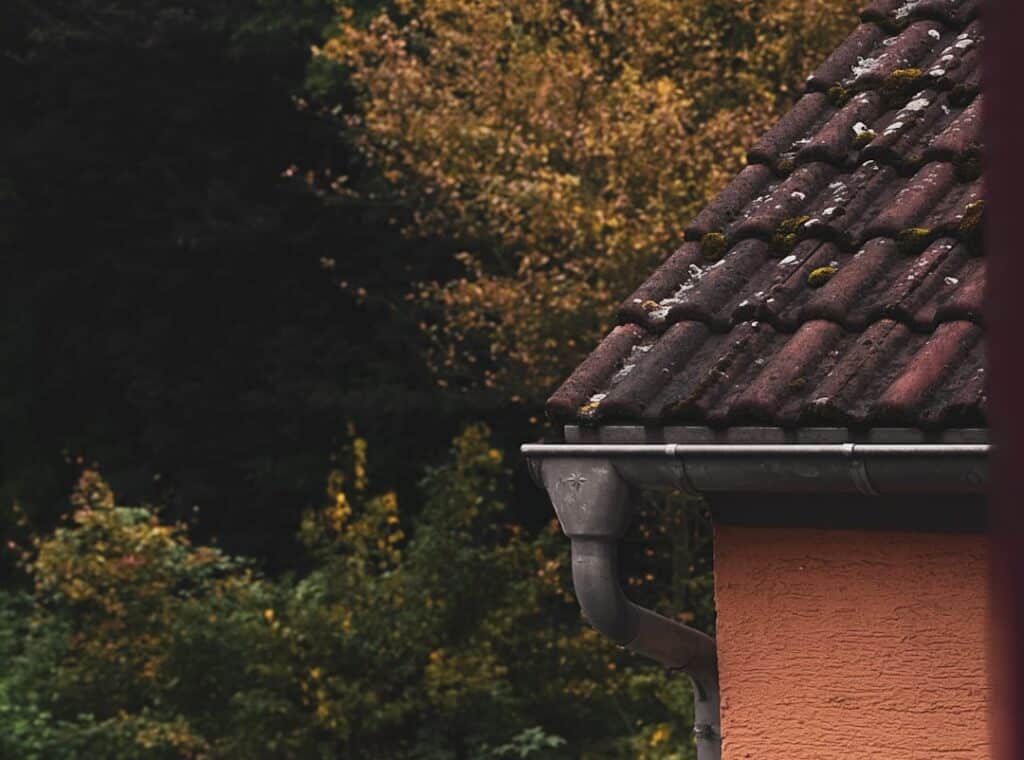
- Algae Growth: Those ugly black streaks you see on many roofs? That’s an algae called Gloeocapsa magma. It thrives in our damp climate and feeds on the limestone filler used in many standard asphalt shingles. As it eats away at the shingle, it shortens the roof’s lifespan and diminishes its protective qualities.
- Wood Rot: When moisture gets trapped between the underlayment and the roof deck, it creates a perfect environment for wood rot. This compromises the structural integrity of your entire roof, turning a simple repair into a major structural replacement.
The Hurricane Factor: Brute Force and Wind-Driven Rain
While humidity is a slow-motion threat, hurricanes are the opposite. They are a test of pure strength and engineering.
- Wind Uplift: Hurricane-force winds don’t just blow against your roof; they create a powerful pressure differential that pulls up on it. Wind gets under the edge of poorly sealed shingles and can peel them back like a zipper, exposing the vulnerable layers underneath. This is one of the most common signs of wind damage.
- Wind-Driven Rain: This isn’t just rain falling down. It’s a horizontal, pressurized assault of water that can force its way into tiny gaps, around flashing, and even upwards, bypassing traditional roofing protections.
- Flying Debris: A standard shingle may stop rain, but it offers little defense against a tree branch or piece of siding traveling at over 100 mph.
The Shingle Showdown: Which Material Withstands the Weather?
Not all shingles are created equal, especially when facing the Gulf South gauntlet. Choosing the right one is a critical financial decision.
| Shingle Type | Key Characteristics | Gulf South Performance |
|---|---|---|
| 3-Tab Shingles | Single-layer, flat appearance, lowest cost. | The Loser: Low wind ratings (typically 60 mph) make them highly susceptible to wind uplift. Prone to algae and a shorter lifespan in our climate. |
| Architectural Shingles | Laminated, multi-layer, dimensional look. | The Contender: Heavier and more durable with higher wind ratings (110-130 mph). The baseline smart investment for any Gulf Coast home. |
| FORTIFIED & IR Shingles | Engineered to meet specific wind/impact standards. | The Champion: Offers the highest level of protection. Class 4 Impact Rating (IR) resists hail and debris. Key to unlocking insurance discounts. |
The Loser: Standard 3-Tab Shingles
Many older homes have 3-tab shingles, but they are a poor choice for our region. While they are the cheapest option upfront, they represent a significant financial trap. Their low wind ratings mean they are often the first to fail in a storm, leading to frequent repairs and a much shorter functional lifespan. Many insurance companies in Louisiana and Mississippi now offer less favorable premiums or may even deny coverage for homes with older 3-tab roofs, making them a poor return on investment.
The Contender: Architectural (Dimensional) Shingles
This is the modern standard and the absolute minimum any Gulf South homeowner should consider. Their laminated, multi-layer construction makes them significantly heavier and more resistant to wind uplift. With wind ratings that can handle a Category 3 hurricane, they provide a much longer lifespan and a far greater degree of protection. For the financial-minded homeowner, architectural shingles are the baseline for a smart, resilient investment in one of the top roofing materials for New Orleans homes.
The Champion: FORTIFIED-Rated & Impact-Resistant (IR) Shingles
This is the top tier of protection. These shingles are specifically engineered and tested to meet the stringent standards of the FORTIFIED Home™ program. When you add a Class 4 Impact Rating, the shingle can also withstand significant impacts from hail and small debris.
For the homeowner looking for the best ROI, this is the ultimate payoff. Installing these shingles as part of a complete FORTIFIED Roof system is what unlocks major insurance premium discounts. It’s not an expense; it’s an investment that can pay for itself through lower premiums and unparalleled peace of mind.
The Unsung Hero: Why Your Underlayment is Your Roof’s Last Line of Defense
Most homeowners focus on the shingles they can see, but what’s underneath is arguably just as important. The underlayment is your roof’s last line of defense when the primary protection is compromised.
The Failure Point: Traditional Asphalt Felt Paper
For decades, standard builder-grade felt paper was the norm. Unfortunately, it’s a major weak point in our climate. It can easily tear during installation or in high winds. Worse, it absorbs moisture, which can lead to it wrinkling and deteriorating, creating a pathway for wind-driven rain to reach your roof deck.
The Superior Solution: Peel-and-Stick Synthetic Underlayment
The modern, superior solution is a self-adhered synthetic underlayment. This material acts like a giant, custom-fit gasket for your entire roof. It adheres directly to the wood decking, creating a sealed, continuous waterproof barrier.
This provides an incredible “peace of mind” benefit. If your home loses some shingles during a hurricane, this secondary water barrier can be the difference between needing a few minor repairs and suffering a catastrophic interior leak that causes thousands of dollars in water damage to your ceilings, walls, and belongings. This sealed deck is a cornerstone of the FORTIFIED system.
The Winning System: Why Priority Roofing Champions FORTIFIED Roofs
A truly resilient roof is more than just a pile of high-quality materials. It’s an integrated system where every component is installed to a higher standard. This is the principle behind the FORTIFIED Home™ program, and it’s why we champion it at Priority Roofing.
It’s More Than Materials—It’s the Method
A roof earns the FORTIFIED designation by combining the right materials with proven installation techniques. This includes:
- A Sealed Roof Deck: Using a high-quality synthetic underlayment with all seams sealed.
- Stronger Nailing Patterns: Using more nails, placed in the optimal location, to achieve maximum wind resistance.
- Locked-In Drip Edges: Stronger, wider flashing at the roof’s edge to prevent wind from getting a foothold.
The Financial Case for Homeowners: Protection and Premiums
For our “Upgrade” audience, the financial argument is clear. A FORTIFIED Roof is one of the few home improvements that can directly put money back in your pocket. States like Louisiana and Mississippi have programs and insurance mandates that provide significant discounts for homes built or retrofitted to this standard. The upfront cost is often offset over time by these savings, all while providing your family with superior protection. We even offer flexible financing options to make this crucial upgrade more accessible.
For Commercial Property Owners: The Principle of Resilience
The same principle of building a resilient system applies to our commercial clients. For a property manager or business owner in Gulfport or Baton Rouge, a roof failure means more than a leak—it means business interruption, damaged inventory, and potential safety risks for tenants. That’s why we apply the same systematic approach to our commercial roofing projects. Materials like TPO and metal, when installed with expert techniques, create a durable shield that protects your assets and ensures operational continuity.
Your Best Insurance is a Local Roofer Who’s Seen It All
After a major storm, the area is flooded with out-of-state roofing companies—so-called “storm chasers.” They may offer a low price, but they lack the crucial understanding of our local environment.
We Don’t Guess—We Know What Works Here
With over a decade of experience focused solely on the Gulf South, we at Priority Roofing don’t have to guess. We’ve replaced countless roofs that failed after just one or two seasons because an out-of-state roofer used materials or methods that couldn’t handle our oppressive humidity. Our 50+ years of combined construction experience means we choose the right roofing contractor methods and materials based on proven, local performance.
We’re Your Neighbors, Not Storm Chasers
Priority Roofing is locally owned and operated. We live in the same communities we serve, from Mandeville and Covington to the Mississippi Gulf Coast. We aren’t a faceless company that will disappear when the storm season ends. We’ll be here long after the job is done to stand by our work and honor our commitments, including our comprehensive warranties. That local accountability is the ultimate peace of mind.
Make the Smart Choice for Your Gulf South Property
In the Gulf South, a roof isn’t just a feature of your home; it’s your primary defense system. To win the battle against humidity and hurricanes, you need a system built for the fight. Our extensive, real-world testing has proven that the winning combination is a FORTIFIED system that utilizes high-wind-rated architectural shingles and a fully sealed synthetic underlayment.
This isn’t just about avoiding leaks. It’s about making a sound financial decision that lowers your long-term costs, reduces your insurance premiums, and provides the invaluable peace of mind that comes from knowing your home and family are protected by the best system available.