
From Attic Rain to Algae Blooms: A Roofer’s Guide to the Science of Gulf Coast Roof Damage
That familiar afternoon downpour, the steam rising from the asphalt, the constant hum of the A/C—life on the Gulf Coast has a rhythm. But that same climate that we love, from New Orleans to Mandeville, is waging a silent war on your roof. You might have noticed the signs: a mysterious water spot on the ceiling that appears out of nowhere, those ugly black streaks creeping down your shingles, or a stuffy, humid feeling in your attic that just won’t quit.
This guide isn’t meant to scare you. It’s meant to empower you. We’re going to break down the science behind the most common roofing problems in our region, so you can understand what’s happening above your head and how to fix it for good. As a locally owned company with over a decade of experience right here in the Gulf South, we’ve seen it all. Since our founder, Sean Killeen, started Priority Roofing in 2012, we’ve been dedicated to protecting our community’s homes. We’re not just roofers; we’re your neighbors.
Key Takeaways
- “Attic Rain” is Condensation, Not a Leak: The intense humidity and heat in the Gulf Coast can cause moisture to condense inside your attic, leading to drips and damage. The root cause is almost always poor roof ventilation.
- Black Streaks are Alive: Those ugly black streaks are a type of algae (Gloeocapsa magma) that is literally eating the limestone filler in your asphalt shingles, dislodging protective granules and shortening your roof’s lifespan.
- A “System” is the Solution: A long-lasting Gulf Coast roof isn’t just about shingles. It requires a complete system approach, including modern algae-resistant materials, balanced ventilation, and hurricane-rated installation methods.
- Small Signs Signal Big Problems: Seemingly cosmetic issues like algae or minor moisture are often early signs you need a new roof or at least a professional inspection, indicating a systemic failure that could lead to costly damage.
The Invisible Threat: Understanding “Attic Rain” in a Humid Climate
One of the most confusing and alarming issues for New Orleans homeowners is finding a water stain on their ceiling on a perfectly sunny day. Your first thought is a leak, but the culprit is often something much sneakier: attic rain.
What is Attic Rain? (And Why It’s Not a Leak)
Attic rain is not a roof leak. It’s condensation. Think of a tall, cold glass of sweet tea on a hot Louisiana summer day. Water droplets immediately form on the outside of the glass. Now, imagine that same process happening on a massive scale inside your attic. Super-heated, moisture-packed air gets trapped in your attic and collides with cooler surfaces, like your A/C ducts or the roof decking that has cooled down overnight. This collision forces the moisture out of the air, where it condenses into droplets and “rains” down onto your insulation and ceiling drywall.
The Science: Why New Orleans & Mandeville are a Hotspot for Attic Rain
Our region is the perfect breeding ground for this phenomenon due to a collision of three key factors:
- The Humidity Factor: The Gulf Coast is famous for its relentless, high humidity. This means the air being pulled into your attic is already saturated with moisture, creating the perfect ingredient for condensation.
- The Temperature Collision: On a summer day, the surface of your roof can easily reach 150°F or more. Meanwhile, you’re running your air conditioner to keep the living space below at a comfortable 72°F. This creates an extreme temperature difference, with the hot, moist attic air pressing down on the cool ceiling plane, ready to condense on any cooler surface it finds.
- The Real Culprit: Poor Ventilation: This is the key takeaway. A well-ventilated attic has a continuous flow of air. Soffit vents pull in cooler, drier air from below, and ridge vents or other exhaust vents push the hot, moist air out the top. When this system is blocked, unbalanced, or non-existent, your attic becomes a static trap for hot, humid air, giving it nowhere to go but to condense. This is a system failure, not just a shingle problem.
Warning Signs Your Attic is Crying for Help
You don’t have to wait for a ceiling stain to know you have a problem. Head up to your attic (carefully!) and look for these telltale signs:
- Damp or Compressed Insulation: Your fluffy insulation looks matted down, wet, or clumpy.
- Water Stains on Your Ceiling: These stains appear or worsen even when it hasn’t rained.
- A Musty, Mildew Smell: That “old, damp” smell is a clear sign of excess moisture.
- Warped or Soft Roof Decking: The underside of your roof (the plywood or OSB sheathing) looks discolored, feels soft, or is visibly sagging.
- Rusted Nail Heads: The tips of the roofing nails poking through the decking are rusty, indicating they’ve been consistently exposed to moisture.
The Telltale Streaks: Decoding Algae Blooms on Your Roof
Almost every homeowner in the Gulf South has seen them: ugly, dark streaks running down their own roof or their neighbor’s. Many people dismiss this as simple dirt, soot, or mold. The truth is, it’s a living organism, and it’s having a feast at your expense.
What Are Those Ugly Black Streaks?
The culprit is a type of airborne blue-green algae called Gloeocapsa magma. Its spores are carried by the wind and can land on any roof. Unfortunately for us, it absolutely thrives in our climate of high heat, constant moisture, and oppressive humidity. The dark, streaky appearance is actually a hardened, protective outer shell the algae creates to shield itself from the sun’s UV rays.
The Science: Why Algae Loves Your Gulf Coast Roof
Gloeocapsa magma isn’t just living on your roof; it’s actively consuming it.
- A Buffet on Your Shingles: For decades, a primary ingredient in asphalt shingles has been limestone, which is used as a filler. For Gloeocapsa magma, limestone is a food source. The algae eats the filler, slowly degrading the shingle from the inside out.
- Moisture is Key: That dark, protective sheath the algae forms does more than block UV rays—it also traps moisture. It acts like a tiny sponge, holding dew and rainwater against the shingle’s surface long after the rest of the roof has dried. This creates a vicious cycle: the algae grows because of moisture, and its growth traps even more moisture, accelerating deterioration.
- North-Facing Roofs: You’ll often notice the streaks are worst on the north-facing side of a roof. This is because it receives the least direct sunlight, allowing it to stay damp for longer periods and creating the perfect, shady environment for algae to flourish.
More Than a Cosmetic Issue: The Real Damage Algae Causes
This is the most critical point for homeowners to understand. Those black streaks are not just an eyesore; they are a symptom of your roof’s premature aging.
- Granule Loss: The most important part of your shingle is the top layer of ceramic-coated granules. These granules protect the asphalt underneath from damaging UV rays. As the algae feeds on the limestone and its tiny root-like filaments attach to the shingle, it dislodges these vital granules, leaving the asphalt exposed and vulnerable.
- Moisture Trapping: By keeping the shingles constantly damp, the algae accelerates the natural weathering process, making the shingles brittle and prone to cracking and curling far sooner than they should.
- Shortened Roof Lifespan: The combination of granule loss and constant moisture retention can shave years off your roof’s life. A roof that should last 25 years might fail in 15, leading to a costly and unexpected replacement.
The Priority Roofing Solution: A System Built for the Gulf Coast
Understanding the science is the first step. The next is implementing a solution designed specifically to combat these forces. A generic ‘one-size-fits-all’ approach from an out-of-town storm chaser simply won’t last in New Orleans. That’s where our decade of local experience makes the difference.
It Starts with Local Expertise, Not a Sales Pitch
Founded by Sean Killeen in 2012, Priority Roofing was built to solve these exact regional challenges. With over 50 years of combined construction experience, our team doesn’t just install roofs; we engineer roofing systems. As the premier roofing contractor in Mandeville and the greater New Orleans area, we know what it takes to build a roof that lasts.
Fighting Algae with Modern Materials
We can’t change the humid air, but we can change the buffet. We recommend and install shingles from leading manufacturers that are specifically designed with algae-resistant technology. These shingles have copper granules mixed in with the standard granules. When it rains, trace amounts of copper wash down the roof. Copper is a natural algaecide, creating an environment where Gloeocapsa magma cannot survive. It’s a science-based solution for a long-term problem.
Winning the War on Attic Rain with a Balanced Ventilation System
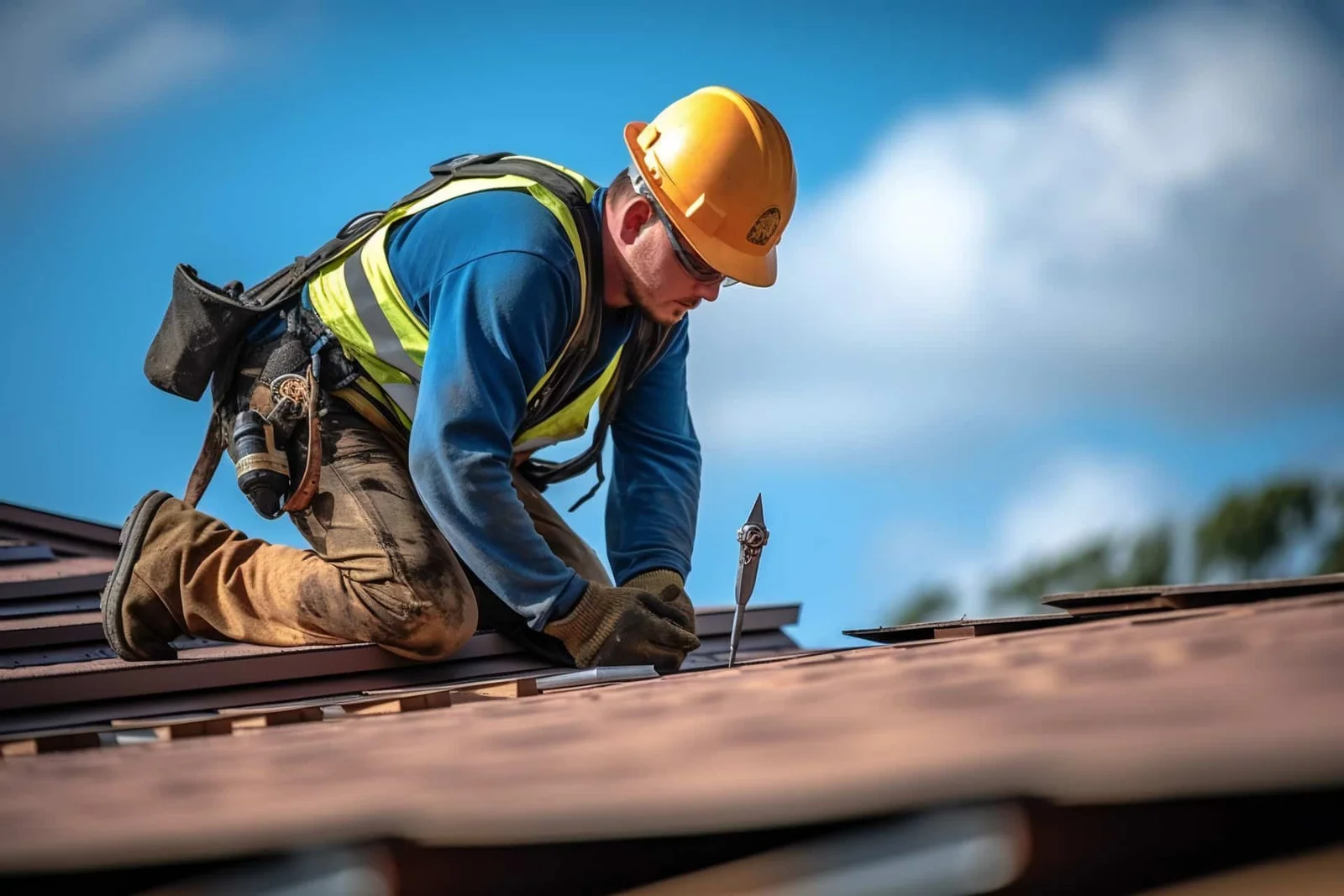
The only way to defeat attic rain is to stop it before it starts. For every roof replacement we perform, a complete ventilation assessment is a core part of the process—something many other roofers might overlook. We ensure your attic has a balanced system of intake (soffit vents) and exhaust (ridge vents) to create a constant, passive airflow that pulls hot, moist air out before it has a chance to condense.
Built to Withstand Hurricanes, Not Just Humidity
Our approach goes beyond just humidity and algae. We live in a hurricane zone, and your roof is your home’s primary shield. We build every roof to meet or exceed the stringent building codes required for our area. This means using superior synthetic underlayment instead of old-fashioned felt, using the correct number of nails per shingle for high-wind zones, and paying meticulous attention to critical areas like roof flashing. A roof built by Priority Roofing is designed to be a durable, fortified roof that can stand up to the worst our climate can throw at it.
Don’t Wait for a Drip to Become a Disaster
Seemingly small issues like a few black streaks or a little condensation are signs of a larger battle your roof is fighting against the Gulf Coast climate every single day. Left unchecked, these problems can lead to rotted decking, damaged insulation, and costly interior repairs.
For over a decade, thousands of homeowners from New Orleans to the Northshore have trusted Priority Roofing for durable, high-quality solutions because we understand the science behind a long-lasting roof in our unique environment. We know the challenges because we live here, too.
Protect your biggest investment. If you’ve noticed any of the signs we’ve discussed, contact Priority Roofing today for a free, comprehensive roof inspection. We’ll provide an honest assessment and a clear plan to secure your home for years to come.
Call Us: (504) 294-4602
Visit Our Website: Request a Free Quote Today!
Locally Owned and Operated Since 2012.